Views: 0 Author: Site Editor Publish Time: 2026-01-02 Origin: Site


Endoscopes are essential medical tools. They allow doctors to view the inside of the body without surgery. These flexible instruments have a camera and light for real-time images of organs.
In this article, we will explore what endoscopes are used for, from diagnosing diseases to assisting in surgeries. We will also look at the different types of endoscopes and their benefits.
Learn more about our products at SincereFull Factory, providing advanced solutions for medical imaging.
An endoscope is a flexible, tube-like medical instrument that allows doctors to examine the inside of a patient’s body. It is equipped with a small camera and a light, which provide clear, real-time visuals on a screen. The camera transmits images of internal organs and structures, which can be used to diagnose conditions, perform biopsies, or even treat certain medical issues.
An endoscope is typically inserted into the body through natural openings, such as the mouth, anus, or urethra. In some cases, it can be introduced through small surgical cuts made in the skin. Once inside, the endoscope provides a visual feed that is transmitted to a monitor, allowing doctors to view areas of the body that are otherwise difficult to access.
This minimally invasive procedure has several advantages over traditional surgeries, as it reduces the risk of infection, minimizes scarring, and promotes quicker recovery times.
Endoscopes come in various shapes and sizes, each designed for specific areas of the body. Some common types include:
● Gastroscope: Used to examine the esophagus, stomach, and small intestine.
● Colonoscope: Designed to inspect the colon and rectum.
● Bronchoscope: Used to examine the lungs and airways.
● Cystoscope: Used to check the bladder and urinary tract.
● Arthroscope: Allows doctors to see inside joints, like the knee or shoulder.
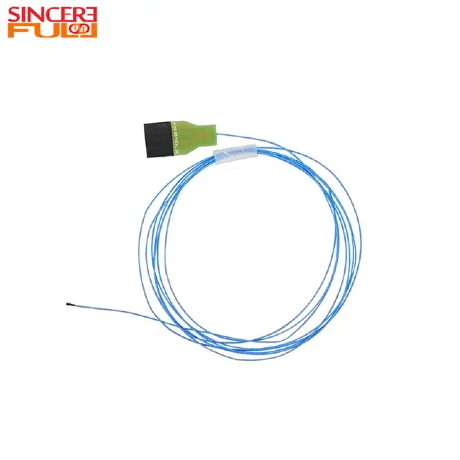
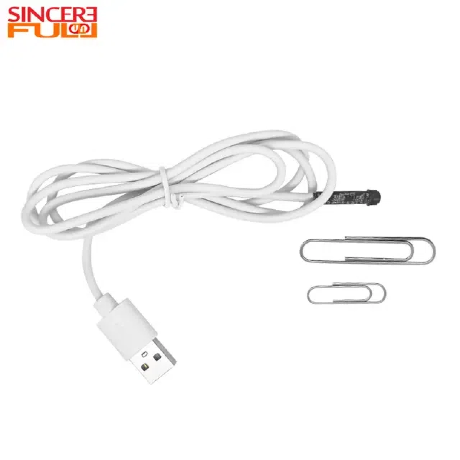
Endoscopes, such as the 0.9mm endoscope camera module, provide high-resolution imaging even in tight spaces. These ultra-thin designs are particularly ideal for medical applications where minimal invasiveness is essential, like gastrointestinal and ENT (ear, nose, throat) procedures.
Type of Endoscope | Common Use | Procedure Description | Benefits |
Gastroscope | Diagnosing and treating gastrointestinal issues | Inserted through the mouth into the stomach and duodenum | Allows for biopsy, treatment of bleeding, and direct visualization of the upper GI tract. |
Colonoscope | Screening for colorectal cancer and diagnosing bowel diseases | Inserted through the anus to examine the colon and rectum | Can remove polyps, screen for cancer, and diagnose inflammatory bowel diseases. |
Bronchoscope | Diagnosing lung and respiratory issues | Inserted through the mouth or nose into the airways and lungs | Helps in diagnosing conditions like asthma, COPD, and lung cancer, and allows for biopsy or removal of blockages. |
Cystoscope | Examining the bladder and urinary tract | Inserted through the urethra into the bladder | Used to detect infections, stones, or tumors in the urinary system. |
Arthroscope | Viewing joints for injury or disease | Inserted through small incisions to view joint cavities | Used for diagnosing joint problems and performing minimally invasive surgeries. |
Endoscopes are widely used to diagnose various gastrointestinal issues. For example, gastroscopy helps doctors investigate conditions like gastritis, ulcers, acid reflux, and tumors in the stomach or esophagus. This procedure allows doctors to view the lining of the digestive tract, taking biopsies if needed for a more accurate diagnosis. Similarly, colonoscopy is essential in detecting colorectal cancer, polyps, or inflammatory bowel diseases such as Crohn’s disease and ulcerative colitis. The ability to remove polyps or take tissue samples during the procedure makes it a powerful tool for preventing further complications.
Bronchoscopy is an endoscopic procedure used to inspect the lungs and airways. It helps doctors diagnose conditions like pneumonia, asthma, chronic obstructive pulmonary disease (COPD), and lung cancer. By visualizing the airways, doctors can identify blockages, take tissue samples, or remove foreign objects, such as mucus or tumors. This procedure plays a vital role in diagnosing lung diseases at an early stage, ensuring better treatment options.
Endoscopes are also used for diagnosing conditions related to the urinary and reproductive systems. Cystoscopy, for example, helps examine the bladder, urethra, and urinary tract, making it invaluable for diagnosing infections, stones, or tumors. This procedure is essential for patients experiencing recurring urinary tract infections or unexplained blood in the urine. In gynecology, hysteroscopy is used to inspect the uterus for conditions such as fibroids, polyps, or abnormal bleeding. It offers a minimally invasive way to diagnose issues that could impact fertility or overall reproductive health.
While endoscopes are primarily known for their diagnostic capabilities, they also play a critical role in treatment. The flexibility of endoscopes allows healthcare providers to not only visualize problems but also perform treatments during the procedure.
Endoscopes can be used for various therapeutic interventions. For instance, gastroscopy can be used to stop bleeding in the stomach, remove polyps, or treat ulcers. By visualizing the problem in real time, doctors can directly intervene and address the issue without needing a larger surgical procedure. Similarly, bronchoscopy helps remove obstructions in the airway, such as mucus, tumors, or foreign bodies, which can be life-threatening if left untreated. These procedures typically don’t require large incisions, leading to faster recovery times, reduced infection risk, and less trauma to the body.
In some cases, endoscopes are used for surgeries. Laparoscopy, a type of endoscopic surgery, is used for abdominal procedures, such as gallbladder removal, hernia repairs, and certain gynecological surgeries. It involves inserting an endoscope through small cuts in the abdomen, making it a less invasive alternative to traditional open surgery. The benefit of laparoscopy is that it reduces the trauma to the body, leading to less pain, smaller scars, and shorter recovery times. Additionally, the precision provided by endoscopes allows surgeons to perform delicate surgeries with greater accuracy.
Endoscopes can also be used to place stents (small tubes that open blocked areas), perform biopsies, or remove abnormal tissue. For example, a colonoscope can be used to remove polyps in the colon, potentially preventing the development of colon cancer. This capability of performing therapeutic interventions in real-time during diagnostic procedures not only saves time but also improves patient outcomes. Additionally, endoscopes are used to remove tumors, clear blockages in bile ducts, and even treat bleeding ulcers, providing a non-surgical solution to various medical conditions.
One of the primary advantages of endoscopy is that it is minimally invasive. Unlike traditional surgery, which requires large incisions, endoscopes are inserted through small openings, which reduces trauma to the body. This results in less pain, fewer complications, reduced scarring, and faster recovery times. Because of these benefits, patients can return to normal activities much sooner than with conventional surgery.
Endoscopes play a critical role in the early detection and treatment of various conditions. For example, procedures like colonoscopy and gastroscopy allow doctors to detect cancers such as colorectal and stomach cancer in their initial stages. Early detection improves the chances of successful treatment and outcomes. Additionally, by diagnosing conditions early, doctors can start treatment before the disease progresses, leading to more effective management and better overall health outcomes.
Endoscopes are equipped with high-definition cameras that offer clear, detailed images of internal organs and tissues. This provides superior clarity compared to traditional imaging methods like X-rays or MRIs. The high-quality visuals enable doctors to identify conditions with greater precision, which in turn improves the accuracy of diagnoses and ensures more targeted treatments. This enhanced diagnostic capability is crucial for effective and timely interventions.
Benefit | Description |
Minimally Invasive | Small incisions reduce pain, scarring, and recovery time compared to traditional surgery. |
Early Detection | Allows for the early detection of cancers and diseases, improving treatment outcomes. |
Enhanced Accuracy | High-definition cameras provide detailed images for precise diagnosis and treatment. |
Faster Recovery | Endoscopic procedures generally require shorter recovery times than traditional surgeries. |
Dual Diagnosis and Treatment | Enables both diagnosis and treatment (such as removing polyps or biopsies) in one procedure. |
One of the key roles of endoscopy is in cancer screening. For example, colonoscopy is recommended as a preventive measure for individuals over 50 or those with a family history of colorectal cancer. This screening method helps detect early signs of cancer, allowing for early treatment and a better prognosis.
Type of Endoscopy | Cancer Type Screened | Importance of Screening | Frequency of Screening |
Colonoscopy | Colorectal cancer | Detects polyps and early signs of colorectal cancer. | Recommended every 10 years for individuals over 50 or at risk. |
Gastroscopy | Esophageal and stomach cancers | Detects early signs of esophageal and stomach cancers. | Recommended for individuals with symptoms or family history. |
Bronchoscopy | Lung cancer | Used to examine the lungs and collect tissue samples for analysis. | Typically used for patients with chronic symptoms or at high risk. |
Endoscopes are also used to monitor long-term conditions like Crohn’s disease or Barrett’s esophagus, both of which may require regular check-ups. These follow-up endoscopies help doctors track the progress of the disease, adjust treatments, and detect potential complications before they become serious.
By using endoscopy for regular monitoring, doctors can catch potential issues before they become symptomatic. This proactive approach to healthcare helps prevent serious conditions and ensures that patients maintain optimal health.
Endoscopy is generally considered a safe and minimally invasive procedure. However, like any medical intervention, it carries some inherent risks. The most common complications include bleeding and infection. These risks are relatively low but can occur, especially if a biopsy or other therapeutic procedure is performed. In most cases, complications are treatable with appropriate care and follow-up.
Although rare, more serious complications such as perforation (a tear in the organ or tissue being examined) or excessive bleeding can occur during the procedure. If these complications arise, they can usually be managed with prompt medical intervention, including surgery or blood transfusions if necessary. Your healthcare team is trained to address these issues quickly to minimize the risk of further complications.
After an endoscopy, patients are typically monitored for a short period to ensure there are no immediate complications. However, it's important to remain vigilant for any unusual symptoms in the days following the procedure. If you experience severe pain, fever, or symptoms such as difficulty breathing or chest pain, it is crucial to seek medical attention immediately. These symptoms may indicate complications that require urgent care.
Endoscopes are versatile tools that help diagnose, treat, and monitor a variety of conditions. They offer clear benefits, such as quicker recovery times and fewer risks. From gastrointestinal issues to lung conditions and surgeries, endoscopes improve patient outcomes. SincereFull Factory provides advanced endoscopic solutions that enhance diagnostic accuracy and treatment efficiency.
Tip: Always consult with your healthcare provider to determine which type of endoscopy is appropriate for your symptoms and health condition.
A: An endoscope is used to examine the internal organs and tissues of the body. It helps diagnose, monitor, and sometimes treat conditions with minimal invasiveness.
A: An endoscope works by inserting a flexible tube with a camera and light into the body. It provides real-time images of internal structures for accurate diagnosis and treatment.
A: No, endoscopes are used for both diagnosis and treatment. They can remove polyps, perform biopsies, and treat certain conditions without the need for major surgery.
A: The cost of an endoscopy depends on the procedure type, location, and insurance coverage. Procedures like colonoscopy may be more expensive due to preparation and complexity.


