Views: 0 Author: Site Editor Publish Time: 2026-04-03 Origin: Site


An endoscope camera is one of those tools that people don’t fully appreciate—until they face a problem they can’t see. A strange noise inside a machine housing. A suspected blockage in a duct. A loose connector buried behind a panel. An engine issue that would normally require hours of disassembly just to confirm what’s wrong. In these moments, an endoscope camera module becomes more than a camera. It becomes a decision-making tool that turns “guessing” into evidence.
From our experience at Guangzhou Sincere Information Technology Co., Ltd., customers usually come to us with a very practical question: “What is an endoscope camera module used for, and is it worth investing in?” The answer is yes—because it helps you inspect hidden spaces quickly, safely, and with minimal disruption. Whether your work involves industrial maintenance, manufacturing quality checks, automotive repair, HVAC servicing, electronics inspection, or facility management, an endoscope camera module can reduce downtime, lower labor cost, and improve inspection accuracy.
In this article, we’ll explain what an endoscope camera module is, what it’s used for in real applications, how it saves time compared with disassembly, the key environments where it performs best, and what to look for when choosing a module for your workflow.
An endoscope camera module is the core imaging unit used in an endoscope system. It typically includes:
a mini camera sensor at the tip
integrated LED lighting around the lens
a flexible or semi-rigid probe cable
image transmission to a display device (handheld monitor, PC, tablet, or inspection platform)
sometimes articulation (steering) to view around corners
sometimes recording features for photos and video documentation
In simple terms: it’s designed to see and document areas the human eye can’t reach—without taking the equipment apart.
An endoscope camera module is used for one simple purpose: to see and document what you cannot access directly. In industrial and technical work, the biggest costs often come from uncertainty—opening equipment “just to check,” shutting down a line for inspection, or replacing parts based on suspicion instead of proof. An endoscope camera module reduces that uncertainty by turning hidden spaces into visible evidence. It helps maintenance teams act faster, helps QA teams confirm internal workmanship, and helps technicians make decisions with confidence instead of guesswork.
Below are the most common real-world uses of an endoscope camera module, along with why each one matters in daily operations.
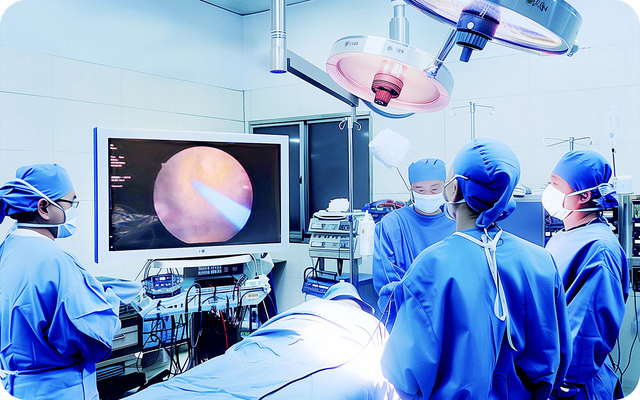
In medical environments, endoscope camera modules are essential for non-invasive diagnostics and surgeries. They are used to inspect body cavities, surgical sites, and internal structures without the need for large incisions, offering significant advantages in terms of patient safety, recovery time, and procedural accuracy. These tools allow medical professionals to gather critical information while minimizing patient discomfort.
Common medical uses include:
Endoscopic surgery: Performing minimally invasive procedures by inserting a flexible endoscope into the body to visualize organs and tissues, reducing the need for traditional surgery.
Gastrointestinal diagnostics: Inspecting the digestive tract to identify ulcers, polyps, tumors, or inflammation.
Pulmonary examinations: Visualizing the airways and lungs to detect issues such as blockages, tumors, or infections.
Urology: Checking the urinary tract for stones, tumors, or other abnormalities.
Orthopedics: Diagnosing joint and bone conditions by visualizing internal structures like cartilage or bone fractures.
This application reduces the need for invasive procedures, shortens recovery times, and often leads to earlier detection of health conditions, improving overall patient outcomes.

This is the most common reason teams adopt an endoscope camera module. In many systems, disassembly is expensive, time-consuming, or risky—because it requires downtime, it can damage seals and fasteners, and it often creates new alignment or reassembly issues. Instead, a technician can insert an endoscope probe through an access point and inspect critical surfaces directly.
Typical defects you can check quickly include:
Cracks, wear, and corrosion on metal surfaces
Loose screws, metal fragments, and foreign objects that may cause secondary damage
Heat damage and discoloration, often a clue of friction or electrical overheating
Leakage traces such as oil mist, coolant residue, or moisture patterns
Insulation damage in wiring zones or cable conduits
This transforms maintenance from “tear down and hope” into “inspect and confirm.” In many cases, the inspection result prevents unnecessary dismantling altogether, saving labor hours and avoiding avoidable downtime.

In preventive maintenance programs, timing is everything. Most failures don’t appear suddenly—there are early signals: minor wear, small contamination, slight overheating marks, or partial blockages. Endoscope inspection allows teams to monitor internal condition without taking systems apart.
Common preventive checks include:
Bearings and housings for early wear patterns or contamination
Ducts and pipes for buildup that reduces flow efficiency
Engine chambers for carbon and deposit patterns
Conveyor and gearbox interiors for debris, lubrication issues, or abnormal wear
Electrical cabinets and cable routing for loose connections or insulation risk
The benefit is economic: small issues are cheaper to fix before they trigger breakdowns. When endoscope inspections are scheduled regularly, they help shift maintenance from “emergency repair” to “planned correction,” which is almost always lower cost.
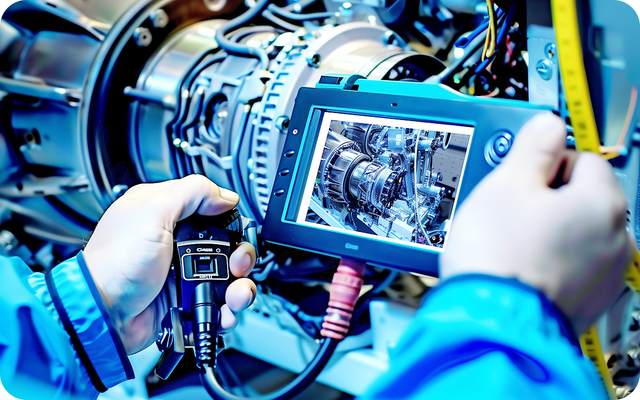
Manufacturers use endoscope camera modules to verify internal quality in areas that are not visible after assembly. This is especially important when the product has internal cavities, welded joints, or hidden routing paths that cannot be checked from the outside.
Common QC tasks include:
Inspecting internal weld seams and joints for defects
Confirming cavity cleanliness (no leftover chips, dust, or packaging debris)
Checking correct routing of wires, hoses, and connectors
Verifying assembly completeness in tight or enclosed spaces
Identifying surface defects inside molded or cast parts
This matters because a small internal defect can become a long-term reliability issue—or even a warranty problem later. Endoscope inspection helps catch those issues early, when corrections are still easy and inexpensive.
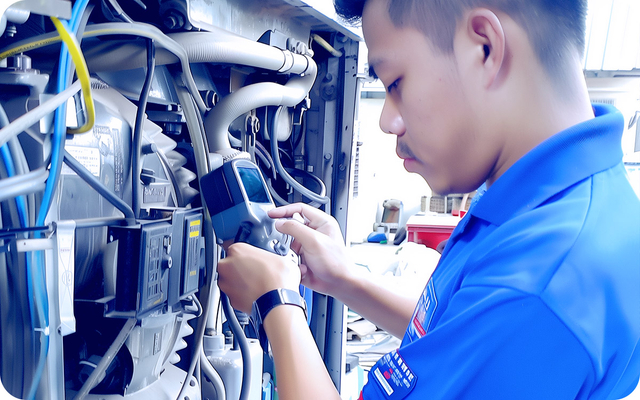
Industrial equipment failures often show external symptoms, but the root cause is hidden. An endoscope camera module helps validate what is happening inside a system so repairs are targeted and efficient.
Typical troubleshooting situations include:
Pump performance decline caused by blockage or impeller damage
Airflow problems caused by duct buildup, collapsed lining, or foreign objects
Vibration issues caused by loose parts inside a housing
Overheating caused by contamination, friction, or restricted airflow
In many cases, one clear internal image is enough to guide the next step—cleaning, replacing a specific part, tightening a component, or scheduling a controlled shutdown rather than reacting after a failure.

In automotive work, endoscope cameras are widely used because engines and internal components are time-consuming to open. An endoscope inspection provides evidence before committing to major labor.
Common targets include:
Cylinders, valves, and combustion chambers
Piston tops and cylinder walls
Carbon buildup, scoring, and impact marks
Coolant/oil leak traces and residue paths
Intake/exhaust path issues
This reduces unnecessary part removal, speeds diagnosis, and supports more accurate repair decisions. It also helps document findings for customers when explaining recommended service.

For facility teams, endoscope camera modules are valuable because buildings contain many “hidden” systems—ducts, ceilings, wall cavities, and underfloor channels—where issues can grow unnoticed.
Common inspection areas include:
Ventilation ducts for dust buildup and blockages
Wall cavities for wiring condition and moisture problems
Underfloor spaces for leaks or pest-related issues
Ceiling voids for cable routing damage or loose components
Endoscope inspection is fast and low-disruption, which makes it especially suitable for occupied buildings where shutting down areas is inconvenient.
In electronics, failures are often small but serious. A tiny loose connector, a burnt terminal mark, or early corrosion can cause intermittent faults that are difficult to reproduce. An endoscope camera module helps locate these subtle issues and document them clearly.
It can reveal:
Loose connectors and incomplete seating
Damaged insulation or pinched cables
Burnt marks at terminals indicating overheating or poor contact
Corrosion and moisture residue inside enclosures
Foreign objects that may cause short circuits or blockage
Because electronics failures can be intermittent, documentation matters. Photo and video evidence helps maintenance teams track patterns, justify replacement, and build stronger inspection records over time.
Industry / field | Typical inspection targets | What the endoscope camera helps confirm |
Medical | Organs, gastrointestinal tract, airways, joints | Tumors, blockages, inflammation, fractures |
Industrial maintenance | housings, gearboxes, pipes | wear, cracks, debris, overheating signs |
Manufacturing QC | weld seams, cavities, internal routing | defects, cleanliness, assembly correctness |
Automotive | cylinders, valves, intake paths | carbon buildup, scoring, impact damage |
HVAC / facilities | ducts, wall cavities, ceiling voids | blockage, moisture, cable condition |
Electronics | enclosures, wiring paths | loose connections, corrosion, burn marks |
Even when budgets are tight, many teams adopt endoscope cameras because they reduce:
labor hours spent on disassembly
downtime caused by long troubleshooting
risk of damaging parts during teardown
repeated “trial-and-error” repairs
warranty claims caused by undetected internal defects
In simple terms: endoscope inspection helps you act with evidence, not guesswork.
So, what is an endoscope camera module used for? It’s used to inspect and document hidden spaces where direct visibility is impossible—inside pipes and ducts, machine housings, engines, electrical cabinets, and manufacturing assemblies. By providing clear visual evidence without disassembly, an endoscope camera helps reduce downtime, improve troubleshooting accuracy, and support preventive maintenance and quality control programs.
If you’re evaluating an endoscope camera module for industrial inspection, maintenance, or QC use, you can learn more from Guangzhou Sincere Information Technology Co., Ltd. We’re ready to share selection suggestions based on your inspection environment, target access path, and documentation needs.
It’s commonly used to inspect hidden internal areas—pipes, housings, ducts, and assemblies—to find wear, cracks, debris, corrosion, or overheating signs without disassembly.
Yes. Endoscope inspections can identify early-stage damage and contamination so repairs happen before major failure and downtime.
Industrial maintenance, manufacturing quality control, automotive repair, HVAC/building maintenance, and electronics inspection are common users.
Focus on probe diameter/length, lighting control, flexibility, image clarity, recording needs, and suitability for oil/dust/moisture conditions.


