Views: 0 Author: Site Editor Publish Time: 2025-11-24 Origin: Site


In the fast-paced world of automotive repair and diagnostics, precision, efficiency, and speed are paramount. Traditional methods of engine inspection often require time-consuming disassembly, which leads to longer downtimes and higher costs. However, the advent of USB endoscope cameras has significantly transformed this process. These compact, flexible, and high-resolution tools are revolutionizing the way automotive professionals perform engine inspections. By providing a quick and non-invasive way to inspect hard-to-reach areas inside an engine, USB endoscope cameras are unlocking new levels of efficiency in automotive diagnostics.
In this article, we will explore how USB endoscope cameras work, their advantages, and how they have revolutionized engine inspection in the automotive industry. We will also highlight the key benefits of using these devices, from saving time and reducing costs to improving diagnostic accuracy.
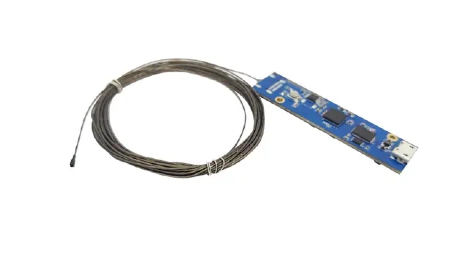
A USB endoscope camera is a small, flexible camera attached to a long cable that connects directly to a USB port. The camera is typically housed in a waterproof, durable casing, with a high-resolution lens capable of capturing images and videos. USB endoscopes come with built-in LED lighting, making them suitable for inspecting dark or confined spaces.
The flexibility of the camera’s probe allows it to maneuver through tight spaces, which is especially useful in automotive engine inspections. The images or videos captured by the camera are transmitted directly to a computer, tablet, or smartphone, where mechanics and technicians can analyze the visual data in real time.
These cameras are commonly used in situations where the parts or areas being inspected are difficult to access or when traditional methods would require extensive disassembly. In the case of automotive engines, USB endoscope cameras provide a cost-effective, efficient, and non-invasive method of inspecting internal engine components.
USB endoscope cameras are designed to inspect areas that are often out of reach, such as the interior of engine cylinders, pistons, or valve systems. Here’s how they work:
Insertion into Tight Spaces: The flexible, narrow probe of the USB endoscope is inserted into small openings within the engine, such as spark plug holes or ventilation ports. The camera can navigate around engine components and provide a clear view of the internal parts that are otherwise difficult to reach.
Real-Time Imaging: As the camera moves through the engine, it captures high-resolution images or videos. These visuals are transmitted to a connected device (like a laptop or tablet) via USB, allowing the technician to view the engine’s internal components in real time.
Light Source: Many USB endoscope cameras come equipped with built-in LED lights around the camera lens. This lighting ensures that even the darkest engine cavities are illuminated, allowing the technician to clearly see any issues inside the engine.
Analysis and Diagnosis: Once the images or videos are captured, the technician can analyze them to identify issues such as cracks, carbon buildup, wear on components, or contamination. This detailed visual information helps mechanics to accurately diagnose problems and determine the best course of action without the need for extensive engine disassembly.
The use of USB endoscope cameras in automotive engine inspection offers numerous advantages over traditional methods. These benefits include faster inspection times, lower costs, and greater diagnostic accuracy.
One of the most significant advantages of using USB endoscope cameras is that they allow for non-invasive inspections. Traditionally, diagnosing engine issues, such as internal damage or wear, required removing multiple parts of the engine, including the cylinder heads, valve covers, or exhaust components. This process often takes a significant amount of time and increases the risk of causing further damage during disassembly.
With a USB endoscope camera, technicians can inspect the internal components of the engine without needing to remove parts. This reduces the risk of damage, cuts down on labor costs, and eliminates the need for unnecessary disassembly, making the diagnostic process quicker and more efficient.
Accurate diagnostics are essential to ensure that the right repairs are made, and engine problems are properly addressed. USB endoscope cameras provide high-resolution images and videos, allowing mechanics to see internal engine components clearly. This visual clarity helps technicians to identify the root cause of engine issues, such as:
Carbon buildup in engine cylinders, which can lead to reduced engine efficiency and performance.
Oil leaks from seals or gaskets, which are often hidden from plain sight.
Cracks or wear on internal engine components, such as pistons, valves, or cylinder walls.
Foreign objects or debris inside the engine that could obstruct operation.
By providing clear, detailed visuals of internal engine components, USB endoscopes improve diagnostic accuracy, ensuring that the technician can pinpoint the exact problem without guesswork or unnecessary dismantling.
Time is critical in the automotive repair industry, and reducing the time spent on inspections directly correlates to cost savings. USB endoscope cameras drastically speed up the inspection process by providing real-time visual data without requiring disassembly. Technicians no longer need to spend time manually removing engine parts to access areas for inspection. Instead, they can simply insert the endoscope’s flexible probe and view the engine’s internal components instantly.
This time-saving benefit translates to reduced labor costs, faster turnaround times for repairs, and more efficient use of technician resources. Moreover, since the inspection can be completed more quickly, the vehicle can return to service faster, minimizing downtime.
Using a USB endoscope camera for engine inspections can be a cost-effective solution in the long run. The initial investment in the endoscope is relatively low compared to the cost of labor and parts required for disassembly. By eliminating the need for excessive engine disassembly, USB endoscopes reduce both labor costs and the risk of damaging components during the disassembly process.
Additionally, because endoscopes can be reused across various engine models, they provide long-term value. Technicians can use them for multiple inspections, whether for diagnosing issues in different vehicles or performing routine maintenance checks.
Engine inspections often involve working with hot, pressurized, or potentially dangerous components. Using a USB endoscope camera provides a safer alternative to traditional inspection methods. Instead of manually reaching into hot or hazardous areas, technicians can inspect engine components remotely using the camera, reducing the risk of burns, injuries, or accidents. This is particularly beneficial in high-risk environments, such as when inspecting engines in industrial equipment, heavy machinery, or racing vehicles.
USB endoscope cameras are versatile tools that can be used to inspect a wide range of automotive engine components. Below are some specific applications where USB endoscopes are most beneficial:
One of the most critical inspections performed in automotive engine diagnostics is the condition of the engine’s cylinders and pistons. Over time, pistons can become worn or damaged due to constant friction and heat. Similarly, cylinders may develop cracks, gouges, or excessive carbon buildup, leading to reduced engine performance.
USB endoscope cameras can be inserted through the spark plug holes or other openings to provide a clear view of the cylinder walls and piston condition. By inspecting these internal components, mechanics can detect signs of wear or damage early, preventing more serious engine issues from developing.
Valves and timing components are critical to the proper functioning of an engine. Misaligned or damaged valves can lead to engine misfires, loss of power, and inefficient fuel combustion. Using a USB endoscope camera, technicians can inspect the valves, valve seats, and timing components without having to remove the cylinder head, saving time and ensuring accurate assessment.
The exhaust system is an essential part of the engine, and problems such as blockages, rust, or cracks can significantly impact vehicle performance. USB endoscopes can be used to inspect the inside of exhaust manifolds, pipes, and catalytic converters. This enables technicians to identify any blockages, leaks, or corrosion that may be causing issues with exhaust flow or increasing emissions.
The fuel system is another vital component that requires regular inspection. Fuel injectors, fuel lines, and the fuel tank are often difficult to inspect, especially when dealing with internal contamination or blockages. With a USB endoscope camera, technicians can inspect these components with ease, checking for carbon buildup, leaks, or clogging in the injectors.
Turbochargers are increasingly common in modern engines, and ensuring they are functioning properly is essential to engine performance. USB endoscope cameras can be used to inspect the internal condition of turbochargers and intercoolers, checking for any debris, wear, or oil buildup that might affect their performance.
USB endoscope cameras have transformed the way automotive professionals conduct engine inspections. Their flexibility, high resolution, and ability to provide a non-invasive, real-time view of internal engine components have unlocked significant efficiencies in diagnostics, maintenance, and repair. From quickly identifying problems such as cracks, wear, or contamination to reducing the need for expensive disassembly and downtime, USB endoscopes are a game-changer in the automotive industry.
By integrating USB endoscope cameras into their inspection processes, automotive repair shops and maintenance teams can improve diagnostic accuracy, speed up repair times, and reduce costs, ultimately providing better service to their customers and increasing overall operational efficiency. Whether it's for inspecting engine components, checking fuel systems, or diagnosing exhaust problems, the USB endoscope camera has become an essential tool for modern automotive diagnostics.


