Views: 0 Author: Site Editor Publish Time: 2025-11-23 Origin: Site


In today's fast-paced industrial environment, precision and efficiency are key factors driving successful operations. One technology that has significantly contributed to achieving these goals is the USB endoscope camera module. A compact, versatile tool that is often used in situations requiring high-resolution imaging of hard-to-reach areas, USB endoscope cameras provide manufacturers and quality control teams with a cost-effective solution for internal inspections, diagnostics, and maintenance.
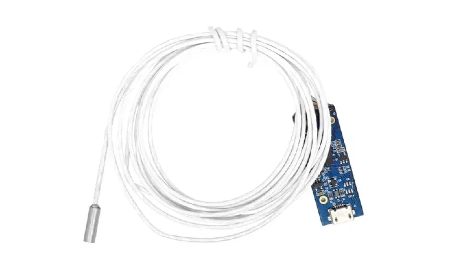
USB endoscope camera modules are particularly useful because they are easy to use, lightweight, and can be connected directly to computers, laptops, or even smartphones via USB ports. They often feature a long, flexible probe that houses the camera, allowing the user to inspect small, complex, and confined spaces. In this article, we will explore the top five industrial applications of USB endoscope camera modules in manufacturing and quality control, showcasing how this innovative tool is transforming industries.
One of the most common and critical uses of USB endoscope camera modules in industrial settings is for internal inspection of mechanical components and machinery. Manufacturing processes often involve complex equipment with intricate moving parts that are difficult to inspect with traditional methods. This is where USB endoscope camera modules come into play.
With their flexible design, USB endoscopes can be inserted into pipes, engines, and other tight spaces, allowing technicians to capture detailed images of the internal condition of parts without disassembling them. This saves valuable time and reduces the need for costly repairs and downtime.
Prevents expensive disassembly: Instead of taking apart an entire machine or component, a USB endoscope provides a quick and non-invasive way to inspect internal parts.
Quick and easy access: The flexible probe can be maneuvered through pipes, ducts, and other narrow or complex spaces, making it easy to inspect areas that are hard to reach with conventional tools.
High-resolution imaging: The USB endoscope camera provides detailed images of internal components, helping technicians identify wear, corrosion, or contamination.
Inspecting engine parts (such as cylinders, pistons, and valves) in automotive or machinery manufacturing.
Monitoring the interior of complex molds in casting processes.
Checking the interior of pipes and tubes in industries like oil and gas, ensuring no blockages or damage.
Quality control (QC) is a critical aspect of manufacturing, as ensuring that products meet specific standards is vital to both customer satisfaction and regulatory compliance. USB endoscope camera modules are widely used in the quality control process, providing a reliable and efficient way to examine product defects that might otherwise be hidden.
For instance, USB endoscopes can be used to inspect the internal surfaces of products, such as welds, seams, joints, or electronic components, which are not visible during regular external inspections. These cameras also offer high-definition imaging, which helps quality control teams identify even the smallest imperfections in the production line.
Enhanced precision: The ability to inspect internal features at high magnification allows for accurate quality assessments.
Real-time imaging: USB endoscopes enable immediate visual feedback, which speeds up the inspection process.
Non-destructive testing: The cameras allow for detailed inspections without compromising the integrity of the products being tested.
Inspecting internal cavities of molded products like plastic or metal parts to ensure they meet dimensional specifications.
Examining solder joints and internal connections in electronic assemblies to identify any issues such as poor soldering or faulty connections.
Checking the quality of welds in metal fabrication, ensuring there are no cracks, voids, or weaknesses.
Another crucial application of USB endoscope camera modules is in preventive maintenance programs. Regular inspections of machines and equipment are essential to identify signs of wear and tear before they lead to costly breakdowns or production halts. USB endoscopes are an ideal tool for this purpose, as they allow maintenance teams to easily access and inspect hard-to-reach areas.
By using a USB endoscope, maintenance teams can check the condition of components such as bearings, gears, motors, and rotating parts to detect any early signs of damage, contamination, or misalignment. Identifying these issues early on can help schedule repairs or replacements before they lead to significant malfunctions, thereby preventing unexpected downtime.
Early detection of issues: By inspecting internal parts for signs of wear or contamination, teams can address problems before they escalate into more significant failures.
Reduced maintenance costs: Proactively identifying problems allows for more efficient resource allocation, reducing emergency repair costs and improving machine uptime.
Minimized downtime: USB endoscopes make it easy to inspect components quickly and accurately, ensuring that maintenance procedures do not interfere with production schedules.
Inspecting motors and rotating machinery to ensure there are no issues with bearings, shafts, or lubrication.
Checking air conditioning or refrigeration units for signs of internal blockages, rust, or contamination.
Monitoring the condition of pipes, ducts, and ventilation systems to ensure that there are no leaks, blockages, or corrosion that could compromise system performance.
In industries such as oil and gas, construction, and municipal infrastructure, USB endoscope camera modules are widely used for inspecting pipes, wells, and plumbing systems. These inspections are critical for ensuring that pipes and ducts are free of blockages, leaks, or other issues that could cause system failures or environmental hazards.
The flexibility of USB endoscopes allows operators to guide the camera module through long stretches of piping and visually examine sections that would otherwise be inaccessible. The high-quality images provided by the endoscope help detect cracks, clogs, corrosion, and other damage, allowing for timely repairs.
Access to hard-to-reach areas: The flexible design of the endoscope allows it to travel through long or narrow pipes, providing visibility in places that would be impossible to inspect using traditional methods.
Non-invasive inspection: Unlike traditional methods that may require digging up or dismantling pipes, USB endoscopes enable non-invasive, real-time inspections.
Cost-effective: USB endoscope camera modules are affordable and can significantly reduce the cost of pipeline inspections compared to other methods like camera robots or remote-operated vehicles.
Inspecting plumbing systems in residential, commercial, and industrial buildings for leaks or blockages.
Inspecting oil, gas, and water pipelines for corrosion, deposits, or structural damage.
Examining ventilation systems in buildings to ensure proper airflow and air quality.
The automotive industry benefits greatly from the use of USB endoscope camera modules in diagnosing vehicle issues, particularly in internal engine inspection. Mechanics can use USB endoscopes to visually inspect difficult-to-reach parts of the engine, such as cylinders, pistons, and valve systems, without having to disassemble the entire engine.
This ability to inspect hidden components allows mechanics to identify signs of wear, oil leaks, carbon buildup, or any other potential issues that could lead to engine failure. By catching these problems early, the need for more expensive repairs can be avoided, and vehicle downtime can be minimized.
Quick diagnosis: USB endoscopes provide immediate visual feedback, enabling mechanics to identify problems quickly.
Cost savings: They allow for more efficient diagnostic procedures, reducing labor time and repair costs.
Improved accuracy: The high-quality images provided by the endoscope help ensure that issues are correctly identified, reducing the chances of misdiagnosis.
Inspecting engine cylinders and other internal engine components to check for wear, cracks, or damage.
Checking exhaust systems for blockages, rust, or leaks.
Diagnosing issues in fuel systems, such as clogged injectors or damaged pipes.
USB endoscope camera modules are becoming indispensable tools across a wide variety of industrial sectors, providing significant benefits in manufacturing, quality control, preventive maintenance, pipeline inspections, and automotive diagnostics. Their ability to offer high-resolution images in hard-to-reach areas, combined with the ease of use and cost-effectiveness, makes them an essential piece of equipment for businesses seeking to improve operational efficiency and reduce downtime.
As technology continues to advance, the use of USB endoscope camera modules will likely expand, offering even more innovative solutions for industries that rely on visual inspections and diagnostics. Whether you're inspecting internal parts in manufacturing, checking the integrity of pipelines, or diagnosing vehicle issues, these versatile tools are changing the way industries perform critical inspections and maintenance.
Investing in USB endoscope camera modules ensures that your business stays ahead of the competition by enhancing productivity, improving precision, and reducing costs.


