Views: 0 Author: Site Editor Publish Time: 2025-11-27 Origin: Site


In industrial settings, efficiency and precision are paramount, especially when it comes to equipment inspections. Traditionally, inspecting hard-to-reach areas required dismantling machines or using bulky equipment, both of which were time-consuming and costly. However, with the advent of waterproof USB endoscope modules, these tasks have become much easier and more efficient. These compact, flexible, and high-tech devices allow operators to inspect areas that are otherwise inaccessible without disassembling the equipment, making them invaluable tools across various industries.
Two critical specifications that impact the performance of waterproof USB endoscope modules are IP rating and LED brightness. Understanding these specifications is essential for selecting the right endoscope for your needs. In this article, we’ll break down both IP rating and LED brightness, exploring their significance in choosing the best waterproof USB endoscope camera module for industrial inspections.
A waterproof USB endoscope module is a small, flexible camera system designed to inspect narrow, hard-to-reach spaces in machinery, vehicles, or pipelines. These modules connect to a computer, tablet, or smartphone via a USB port and transmit real-time images or videos of internal areas that cannot be directly accessed. The camera is typically housed in a durable, waterproof casing, and the probe is flexible enough to navigate around obstacles inside machines or structures.
The term "waterproof" refers to the device's ability to operate effectively in moist environments or even underwater, which is particularly important in many industrial applications. LED lights are integrated into the camera to illuminate dark spaces, ensuring the inspection area is clearly visible even in low-light conditions.
The IP rating (Ingress Protection rating) is a standard used to specify the degree of protection an electrical device has against dust, dirt, and moisture. For a waterproof USB endoscope, the IP rating is crucial because it directly impacts the device’s ability to function effectively in harsh or wet environments.
The IP rating is usually composed of two digits. The first digit measures the protection against solids (such as dust), and the second digit indicates the level of protection against liquids (such as water). The higher the digits, the better the protection.
IP54: This rating indicates that the device is dust protected (not completely dust-tight) and can handle water splashes from any direction. While this may be sufficient for light industrial environments where the device may be exposed to occasional water or debris, it's not ideal for heavy-duty applications.
IP65: An IP65 rating means the device is dust-tight and can withstand water jets from any direction. This level of protection is appropriate for industries where the endoscope is exposed to more frequent moisture, such as automotive workshops or manufacturing plants.
IP67: Endoscopes with an IP67 rating are completely dustproof and can withstand immersion in water up to 1 meter deep for 30 minutes. This makes them ideal for more challenging environments where water exposure is frequent or for underwater inspections, like those in the oil and gas industry.
IP68: The IP68 rating offers the highest level of protection, making the device completely dustproof and capable of withstanding prolonged immersion in water beyond 1 meter. This rating is most suitable for extreme conditions where the endoscope may be exposed to constant water submersion or heavy rain.
When selecting a waterproof USB endoscope, consider the environment where it will be used. If you work in a relatively dry or clean environment, an IP54 or IP65 endoscope may suffice. However, for industries such as oil and gas, marine, or chemical plants, where exposure to water and harsh conditions is constant, you’ll need an IP67 or IP68 rated endoscope.
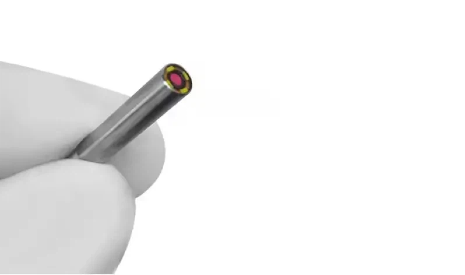
LED brightness is another crucial specification that directly impacts the effectiveness of a USB endoscope. Without proper lighting, even the best camera will struggle to capture clear images, especially in dark or confined spaces. The LED lighting built into endoscope modules provides the necessary illumination for inspecting hard-to-see areas like engine cylinders, pipes, or machinery interiors.
The brightness of the LED lights in an endoscope plays a vital role in ensuring that the inspection area is well-lit. The more powerful the LED lights, the clearer the image will be, even in poorly lit environments. Here are the key factors to consider when it comes to LED brightness:
Adjustable LED Brightness: Many high-quality endoscopes come with adjustable LED lighting, allowing you to customize the brightness based on your inspection environment. Too much brightness can create glare, while too little can result in poor visibility. Adjustable brightness helps you fine-tune the lighting for optimal image clarity.
Number of LEDs: The number of LEDs embedded in the endoscope affects the evenness and spread of light. More LEDs typically mean a brighter and more evenly lit inspection area. However, it’s essential to strike a balance. While more LEDs can increase brightness, excessive lighting can lead to issues like uneven illumination or excessive heat generation.
LED Type: The type of LED used in the endoscope module also affects image quality. White LEDs are the most common, offering bright and clear illumination. Some endoscopes also feature RGB LEDs or other types of adjustable lighting, allowing for better adaptability in different inspection scenarios.
Lighting Range: The lighting range indicates how far the LED light can reach to illuminate the inspection area. If your inspection involves looking into deep or narrow areas, a powerful light source will ensure that even the most distant parts remain visible. A high-quality LED setup provides even illumination across the full length of the probe.
In industrial environments, the inspection areas are often dark or confined, making it difficult to get a clear view. The LED brightness of your waterproof USB endoscope ensures that all areas are well-lit and that no detail is overlooked. Here’s why LED brightness matters:
Clarity in Confined Spaces: Many industrial applications involve inspecting narrow pipes, engine parts, or other components that are hard to reach. Without sufficient lighting, even high-quality cameras may not capture the required details. Good LED brightness ensures that you can clearly see small cracks, debris, or signs of wear.
Improved Efficiency: Adjustable LED brightness helps to optimize the inspection process. Whether you need to brighten the area for better visibility or dim it to avoid glare, the flexibility of lighting options enhances the overall inspection experience.
Accurate Diagnosis: For accurate diagnostics, it’s important that the camera captures clear, sharp images of the inspected area. Adequate LED lighting makes it possible to detect issues such as corrosion, dirt accumulation, or internal component damage that may otherwise go unnoticed in poorly lit conditions.
When selecting a waterproof USB endoscope for your business, it's essential to consider both the IP rating and LED brightness in relation to the specific conditions of your inspections.
Consider the Environment:
If you're working in clean, dry environments with minimal risk of water exposure, an IP54 or IP65 rated endoscope may suffice. These are often suitable for applications in quality control or simple maintenance tasks.
If you work in wet, humid, or harsh environments, such as inspecting industrial machinery in factories or pipelines in the oil and gas industry, choose an endoscope with a higher IP67 or IP68 rating. These models will withstand submersion and exposure to water.
Adjustable LED Brightness:
For environments with variable lighting conditions, such as engine inspections or looking into narrow pipes, a model with adjustable LED brightness will allow you to customize the illumination based on the inspection area’s needs.
Ensure that the endoscope offers enough LED coverage for your application. For example, if you need to inspect deep parts of machinery or pipes, choose a model with powerful LEDs and a longer lighting range.
Endoscope Flexibility:
If you need to inspect areas with multiple turns, curves, or bends, a flexible probe endoscope with high-quality LED lighting will be more suitable. It allows you to navigate through complex spaces and still capture clear, illuminated images.
When it comes to selecting the right waterproof USB endoscope for industrial inspections, understanding the importance of IP rating and LED brightness is essential. The IP rating ensures that the endoscope can withstand exposure to water and dust, while the LED brightness determines how well the camera can illuminate dark or confined areas, enabling clear and detailed inspections.
By choosing an endoscope with the appropriate IP rating and LED brightness, businesses can improve the accuracy of inspections, reduce downtime, and increase operational efficiency. Whether you're in manufacturing, automotive, or any industry that requires internal visual inspections, a high-quality waterproof USB endoscope with the right specifications will prove to be an invaluable tool for your operations.
For businesses looking to optimize their inspection processes, Guangzhou Sincere Information Technology Co., Ltd. offers a range of advanced waterproof USB endoscopes designed to meet industrial needs. Whether you need an endoscope for routine maintenance, quality control, or specialized inspections, their products are built to provide reliable, high-performance results.


