Views: 0 Author: Site Editor Publish Time: 2026-01-07 Origin: Site


Disposable endoscopes are becoming more popular in healthcare. They provide a convenient, hygienic solution compared to reusable models. These devices reduce cleaning and sterilization issues, improving safety.
In this article, we’ll explore the benefits and limitations of disposable endoscopes. You’ll also learn how they are changing medical procedures.
Learn more about our products at SincereFull Factory, offering high-quality medical solutions.
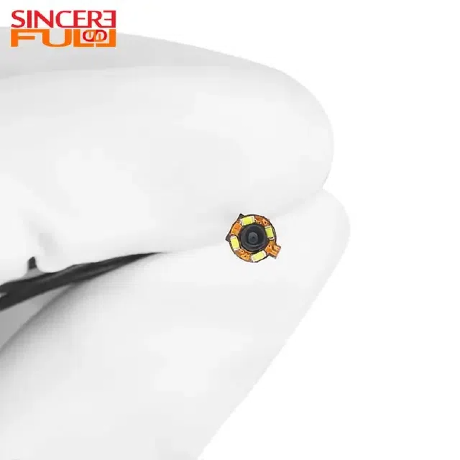
Disposable endoscopes are single-use devices that are used for medical procedures and then discarded. Unlike reusable endoscopes, which are designed for repeated use and require cleaning and sterilization, disposable endoscopes are meant to be used only once. This design eliminates the risks associated with the reprocessing of reusable devices, such as contamination or damage during cleaning.
The main difference between disposable and reusable endoscopes is the way they are handled after use. Reusable endoscopes must undergo rigorous cleaning and sterilization processes between uses to ensure they are safe for subsequent procedures. On the other hand, disposable endoscopes are discarded after each use, ensuring that the risk of cross-contamination is minimized. While reusable models are typically more cost-effective in high-volume settings, disposable endoscopes are growing in popularity due to their safety and convenience.
Feature | Disposable Endoscopes | Reusable Endoscopes |
Usage | Single-use, discarded after one procedure | Can be used multiple times after cleaning |
Cleaning | No cleaning required, disposed of after use | Requires sterilization and cleaning between uses |
Cost | Higher per procedure cost | Lower upfront cost, but requires maintenance |
Risk of Infection | Lower risk, sterile for each patient | Higher risk of cross-contamination if not properly sterilized |
Environmental Impact | Increased medical waste | Reduced waste, but requires resources for cleaning |
Infection control is a major reason for the growing popularity of disposable endoscopes. Traditional reusable endoscopes can harbor bacteria even after extensive cleaning and disinfection, posing a risk of cross-contamination between patients. The complexity of reusable endoscopes makes them difficult to sterilize thoroughly, especially in hard-to-reach areas like the elevator mechanism or suction channels. Disposable endoscopes eliminate this risk by being used once and then discarded, ensuring that each patient is treated with a sterile device.
Many healthcare facilities face challenges in maintaining high standards of sterilization for reusable endoscopes. Residual microorganisms, even after high-level disinfection, can lead to infections. Disposable endoscopes completely bypass the need for sterilization and cleaning processes, which reduces the potential for errors during reprocessing. This makes disposable endoscopes a valuable option in high-risk environments or in settings where infection control is a top priority.
Technological advancements have improved the performance of disposable endoscopes, making them comparable to reusable models in terms of image quality and maneuverability. Newer disposable models offer high-definition imaging and better maneuverability, making them suitable for a wide range of medical procedures. As these devices become more affordable, their adoption in medical practices continues to grow.
Duodenoscopes are commonly used in procedures like endoscopic retrograde cholangiopancreatography (ERCP), which is used to diagnose and treat conditions of the bile and pancreatic ducts. Disposable duodenoscopes have been developed to address concerns about infection transmission through reusable devices. Two FDA-approved disposable duodenoscopes are currently available: the aScope Duodeno and the EXALT Model D. These devices offer similar functionality to reusable duodenoscopes, but with the added benefit of being discarded after use to eliminate the risk of cross-contamination.
Disposable gastroscopes and colonoscopes are designed for diagnostic procedures in the gastrointestinal (GI) tract. These endoscopes are used to examine the esophagus, stomach, small intestine, and colon. By offering disposable options, healthcare providers can minimize the risks associated with reprocessing reusable devices, such as bacteria transmission and damage during cleaning. They are especially beneficial in high-turnover settings like outpatient clinics or hospitals that need to conduct a large number of procedures daily.
Bronchoscopes are used to examine the airways and lungs. In addition to gastroscopes and duodenoscopes, disposable bronchoscopes are now available for procedures such as bronchial biopsies and airway assessments. These endoscopes reduce the need for complex cleaning procedures and provide a sterile solution for respiratory procedures, making them increasingly popular in hospitals and clinics.
Type of Endoscope | Common Procedure | Medical Field | Key Benefit |
Duodenoscope | Endoscopic Retrograde Cholangiopancreatography (ERCP) | Gastroenterology | Reduces risk of cross-contamination in high-risk procedures |
Gastroscope | Upper gastrointestinal examinations | Gastroenterology | Convenient for outpatient settings with high turnover |
Bronchoscope | Bronchial examination | Pulmonology | Helps in diagnosing lung conditions with minimal sterilization risk |
Colonoscope | Colon cancer screening | Gastroenterology | Prevents infection spread during routine screenings |
One of the main advantages of disposable endoscopes is their ability to reduce the risk of cross-contamination. Since they are used only once and then discarded, there is no risk of transferring bacteria or viruses between patients. This is particularly crucial in high-risk medical procedures, where infection control is paramount, such as in surgeries or procedures involving immunocompromised patients. Disposable endoscopes ensure that each patient receives a sterile device, which minimizes the chances of infection transmission.
Although disposable endoscopes tend to be more expensive per unit than reusable models, they can offer long-term cost savings in certain healthcare environments. The costs associated with cleaning, sterilization, and maintenance of reusable endoscopes are eliminated, making disposable endoscopes a more economical option in facilities that experience high patient turnover. Additionally, they reduce downtime for reprocessing, allowing healthcare providers to perform more procedures in less time, which improves efficiency.
In high-volume medical settings, where numerous endoscopic procedures are conducted each day, disposable endoscopes provide substantial operational benefits. Unlike reusable endoscopes, which require time for cleaning and sterilization, disposable endoscopes are ready for immediate use once opened. This greatly improves workflow, reduces delays between procedures, and allows for more efficient use of medical staff and equipment, ultimately enabling healthcare facilities to handle more patients.
One of the most significant concerns with disposable endoscopes is their environmental impact. Since they are designed for one-time use, they contribute to increased medical waste. While disposable endoscopes reduce waste generated by reprocessing, they add to the overall volume of waste produced per procedure. The production, use, and disposal of these devices contribute to environmental strain, which has led some healthcare facilities to reconsider their use in favor of more sustainable options.
While disposable endoscopes eliminate cleaning and maintenance costs, their upfront cost per device is considerably higher than that of reusable models. For healthcare facilities with limited budgets or those performing fewer procedures, the expense of purchasing disposable endoscopes may be prohibitive. It’s crucial for these facilities to evaluate the overall cost per procedure, including benefits like enhanced infection control, time saved from reprocessing, and improved patient safety, before making a decision.
Another drawback of disposable endoscopes is their higher likelihood of failure compared to reusable models. Since they are used only once, any failure or malfunction—such as optical issues or difficulty maneuvering the device—can disrupt the procedure and impact patient care. Disposable models may also lack the same tactile feedback and maneuverability that reusable endoscopes offer, which can affect the precision needed for certain complex procedures. This limitation can be a significant challenge for procedures requiring fine control or intricate movements.
The cost of disposable endoscopes can vary depending on the type of device and the healthcare setting. In high-volume medical centers, reusable endoscopes are generally more cost-effective due to their extended lifespan. These devices can be used many times, making them a better choice for facilities with frequent procedures. However, for low-volume settings, or in cases where infection control is a priority, disposable endoscopes may provide a more cost-effective solution. The elimination of cleaning, sterilization, and maintenance costs makes disposable endoscopes an appealing option in these scenarios.
While disposable endoscopes are often more expensive initially, they offer long-term savings by reducing the need for labor, cleaning chemicals, and equipment repairs. In settings with high turnover or when infection risks are significant, disposable endoscopes can be an excellent choice. The reduced need for extensive sterilization and reprocessing helps facilities cut down on operational costs. Moreover, by eliminating the risk of cross-contamination between patients, disposable devices may prevent costly infection outbreaks, which can result in extended hospital stays, additional treatments, or even legal liabilities.
Cost Factor | Disposable Endoscopes | Reusable Endoscopes |
Upfront Cost | Higher per device | Lower per device |
Cleaning and Maintenance | No cleaning costs | Requires cleaning and maintenance costs |
Device Lifespan | Single-use only | Long-term use, needs occasional repair |
Reprocessing Costs | No reprocessing costs | Requires regular reprocessing and sterilization costs |
Overall Cost Per Use | Higher per procedure | Lower per procedure over time |
Disposable endoscopes provide key benefits like better infection control, convenience, and lower reprocessing costs. However, they also present challenges, such as higher per-procedure costs and environmental impact. As technology improves, disposable endoscopes will become an increasingly important tool in modern healthcare. SincereFull Factory offers high-quality medical solutions, providing effective tools for infection control and efficiency in medical practices.
A: Disposable endoscopes are used for medical procedures to examine internal organs and tissues. They are single-use devices designed for safety and convenience, reducing infection risks.
A: Disposable endoscopes are designed for one-time use, eliminating the need for sterilization. Reusable endoscopes must be cleaned and disinfected between uses, which increases the risk of cross-contamination.
A: While disposable endoscopes can be more costly per procedure, they reduce long-term costs by eliminating cleaning, maintenance, and sterilization expenses.
A: Disposable endoscopes offer enhanced infection control, faster turnover in busy medical environments, and reduce the risk of complications related to reprocessing reusable devices.


