Views: 0 Author: Site Editor Publish Time: 2026-07-10 Origin: Site


Selecting a manufacturing partner for critical optical hardware carries immense stakes. Subpar components or compliance failures often cause costly product recalls. Poor manufacturing delays your time-to-market. It severely compromises clinical precision or industrial inspection outcomes. You are not simply buying an off-the-shelf camera module. You are establishing a reliable, long-term vendor relationship for complex imaging systems. This partnership dictates the success of your entire product line. A structured, evidence-based evaluation of an endoscope camera manufacturer requires looking beyond glossy marketing brochures. You must rigorously assess technical capabilities, regulatory compliance, and supply chain resilience. Thorough vetting ensures you avoid downstream production bottlenecks. It also guarantees your integrated endoscope camera modules meet strict industry standards. We will explore how to frame your business requirements properly. You will learn to audit facilities for quality control and evaluate technical competencies effectively.
Compliance is non-negotiable: Validated ISO 13485 certifications and cleanroom assembly capabilities separate true manufacturing partners from basic assemblers.
Integration determines viability: A reliable UVC endoscope camera architecture and adaptable Image Signal Processing (ISP) are critical for modern system compatibility.
Verification over trust: Shortlisting requires rigorous sample testing, documentation audits, and facility transparency.
Before you contact suppliers, outline your baseline requirements clearly. Framing the business problem accurately narrows down potential options. Define the exact application environment for your new camera module. Modules for medical surgical applications demand vastly different technical requirements compared to basic disposable modules. Camera modules for industrial inspection face entirely different environmental hazards. They encounter harsh chemicals, aviation fuels, and extreme mechanical stress. Disposable module architectures prioritize extremely low per-unit costs and high-volume consistency. You cannot evaluate a vendor effectively without understanding these environmental baselines.
Establish clear criteria for your specific engineering approach. Decide when to leverage existing product lines carefully. Investing in custom engineering sometimes yields better market differentiation. Customization offers competitive advantages but significantly increases lead times. Off-the-shelf modules reduce upfront engineering fees substantially. They also accelerate your market entry timeline considerably. Evaluate your internal engineering resources honestly to make this choice.
Minimum Order Quantities dictate the fundamental viability of manufacturing partnerships. Projected annual volumes determine the ideal supplier tier. Contacting a professional endoscope camera maker requires matching their production capabilities to your specific demand. High-volume manufacturers might ignore low-volume prototyping runs completely. Boutique engineering firms often struggle to scale up for sudden mass production. You need a partner whose production capacity aligns directly with your long-term sales forecasts.
Common mistakes during this initial phase include:
Ignoring the scaling limitations of small boutique engineering firms.
Failing to define the sterilization method before requesting component samples.
Underestimating the software integration effort required for non-standard camera outputs.
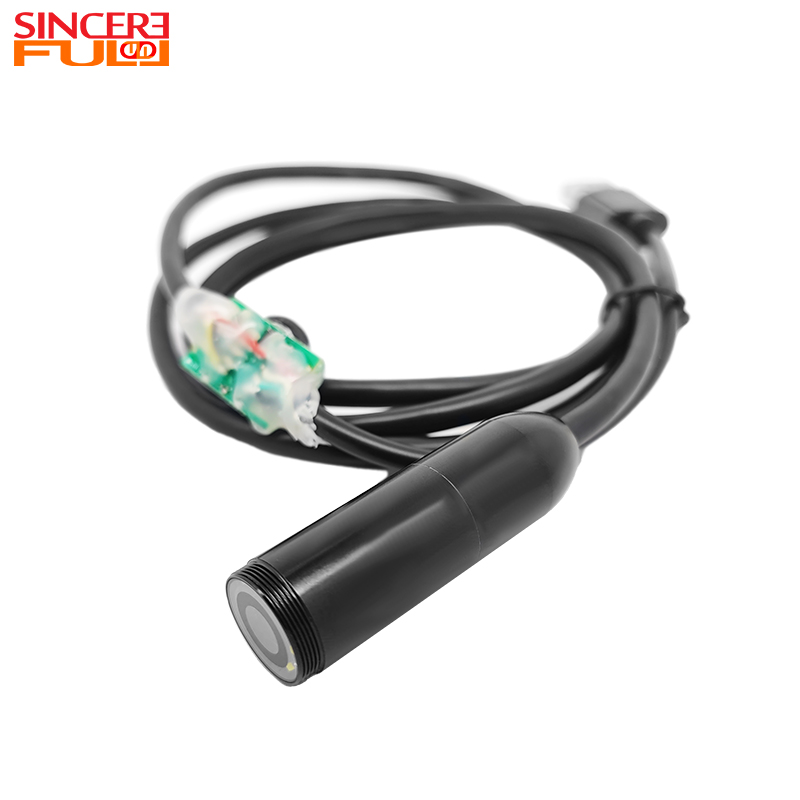
Assessing a manufacturer’s access to top-tier CMOS sensors is crucial. Verify their direct relationships with leading sensor brands like OmniVision and Sony. Understand the fundamental difference between rolling shutter and global shutter technology. Medical applications often tolerate rolling shutters due to slow internal movements. Camera modules used in fast-moving industrial inspections require global shutter sensors to prevent image distortion. Assess their Image Signal Processing tuning capabilities thoroughly. Excellent tuning compensates for low light conditions inside dark body cavities.
Precision lens alignment separates mediocre imaging from exceptional diagnostic clarity. Even the most expensive sensor fails if micro-lens assembly lacks precision. They must demonstrate strong optical engineering skills consistently. Edge-to-edge sharpness and accurate color reproduction are mandatory for diagnostic confidence. Ask about their active alignment capabilities during sensor assembly. Active alignment improves optical center precision dramatically compared to passive assembly methods.
System integration requires strict adherence to standard electronic protocols. Avoid proprietary software drivers whenever possible. Sourcing a reliable UVC endoscope camera ensures true plug-and-play integration. The USB Video Class protocol allows seamless hardware communication. It interfaces effortlessly across modern medical displays and standard operating systems. This standard reduces software development headaches for your internal team. It mitigates compatibility risks during mandatory operating system updates.
Build quality and sterilization survivability represent strict evaluation metrics. Define the specific characteristics of a durable endoscope camera for your market segment. Medical applications require true IPX7 or IPX8 waterproof ratings. Ask for solid evidence of autoclave survivability at 134°C. Verify chemical sterilization resistance for lower-tier reusable diagnostic modules. Endoscope camera modules for industrial applications shift focus entirely toward physical ruggedness. Evaluate oil resistance, scratch resistance, and structural integrity. Sapphire glass windows often provide necessary protection for industrial distal tips.
Quality control starts inside the physical assembly environment. Verify the presence of ISO Class 7 or Class 8 cleanrooms. Micro-lens assembly requires a strictly controlled environment. Strict controls prevent microscopic dust contamination on sensitive sensors. A reputable OEM endoscope camera factory maintains meticulous environmental controls and continuous air filtration. Dust particles trapped inside sealed optical cavities ruin images permanently. Inquire about their electrostatic discharge protection protocols. Improper handling destroys delicate image sensors before final packaging.
Regulatory documentation serves as undeniable proof of manufacturing maturity. Look for verifiable ISO 13485 certification for Medical Device Quality Management. Ensure they comply strictly with FDA CFR 21 Part 820 or CE MDR standards. Do not accept expired or self-certified regulatory documents. Validated certificates prove they understand the heavy compliance burden. Proper documentation also accelerates your own regulatory clearance process.
Testing protocols reveal the true depth of their quality assurance. Outline specific quality control checkpoints during your vendor discussions. Ask for evidence of high-pot testing for electrical safety. Demand leak testing results for all sealed camera enclosures. Request image resolution charting using standard ISO 12233 methodologies. Accelerated aging tests provide immense confidence in long-term module reliability.
To structure your factory audit, compare their testing capabilities against baseline industry requirements.
Evaluation Metric | Medical Module Standard | Industrial Module Standard |
|---|---|---|
Sterilization Resistance | Autoclave 134°C / STERRAD | Not required; focus on IP67 |
Electrical Safety | IEC 60601-1 Compliance | Standard CE/RoHS requirements |
Environmental Durability | Biocompatible materials (ISO 10993) | Oil, aviation fuel, scratch resistance |
Image Fidelity | High color accuracy (tissue rendering) | High dynamic range (metal reflection) |
Best practices for factory auditing include requesting standard operating procedures for equipment calibration. Verify the training logs of their cleanroom assembly technicians. Unskilled manual labor easily damages fragile micro-coaxial cables during final module assembly.
The global semiconductor supply chain remains highly volatile. Component sourcing security is a major implementation risk you cannot ignore. Thoroughly evaluate the manufacturer's buffer stock policies. This applies directly to critical Image Sensor chips and digital signal processors. Ask them about alternative sourcing strategies for essential Integrated Circuits. If they rely entirely on a single distributor, you face severe production vulnerabilities. Supply chain disruptions can easily halt your entire product line. Confirm they hold adequate inventory to cover sudden demand spikes.
Adopt a skeptical mindset regarding module yield rates. Always ask prospective vendors for historical yield rates on similar camera modules. Review their Corrective and Preventive Action procedures for managing manufacturing defects. Never accept vague promises of zero defects from any supplier. Real engineering involves managing and mitigating inevitable production variations. Robust corrective processes show they learn from mistakes and continuously improve. A strong CAPA system prevents the same defect from recurring in future batches.
Post-sale support defines the long-term viability of your hardware investments. Localized Return Merchandise Authorization processes speed up repairs and component replacements. Secure firm commitments for ongoing firmware update support. Operating systems evolve rapidly, and your camera module must adapt accordingly. Ensure they provide proactive End-of-Life component notifications well in advance. This notification window allows you to redesign or stockpile components safely. Failing to secure EOL notices often forces expensive emergency product redesigns.
The Request for Information process filters out unqualified vendors quickly. Structure your requests to demand hard evidence upfront. Ask for redacted ISO certificates and internal equipment lists in your initial email. If they hesitate or provide generic marketing sheets, drop them immediately. Transparent vendors easily share non-confidential quality manuals and facility overviews.
A physical audit provides the most reliable evidence of true capability. Use a structured sample evaluation framework to test their engineering claims objectively.
Initial bench testing: Evaluate the sample module carefully for image latency, color fidelity, and dynamic range using standard test charts.
Environmental stress testing: Subject the module to heat and moisture cycles to verify structural seals and epoxy reliability.
Teardown analysis: Inspect internal potting, overall structural integrity, and micro-soldering quality closely under high magnification.
Teardown analysis requires skilled engineering oversight. Inspect internal potting compounds for problematic voids or air bubbles. Voids allow moisture ingress during high-pressure sterilization cycles. Micro-soldering quality must meet strict IPC-A-610 Class 3 standards for high-reliability electronics. Any signs of cold solder joints indicate poor manufacturing controls.
Facility audits finalize your rigorous supplier quality assessment phase. Conduct virtual or on-site supplier quality audits before committing financial resources. Walk the factory floor and observe the strict gowning procedures. Review their documentation control systems and assembly lines in real-time. Do this thoroughly prior to signing any binding Master Service Agreement. Confirm their floor operations match the pristine paperwork they provide.
Choosing a manufacturing partner is an intensive exercise in risk mitigation. You are aligning capabilities for a complex product life cycle. Prioritize absolute transparency across all technical and operational vendor discussions. Demand traceable quality management systems to protect your final product integrity. Verifiable engineering expertise always outweighs aggressive pricing models during vendor selection. A cheap component often causes catastrophic failures during final medical procedures or industrial inspections.
Take immediate action to secure your critical optical supply chain. Request a deep technical consultation with your shortlisted candidates soon. Download a rigorous supplier evaluation checklist to standardize your internal vendor scoring. Finally, request engineering samples for internal testing to validate their actual optical performance. Rigorous testing today prevents monumental product failures tomorrow.
A: Manufacturers of medical camera modules operate under strict regulatory frameworks like FDA CFR 21 Part 820 or CE MDR. They prioritize biocompatible materials, exact color fidelity for tissue differentiation, and autoclave sterilization limits. Manufacturers of industrial endoscope camera modules focus primarily on general CE and RoHS compliance. Their module designs prioritize physical ruggedness, oil resistance, and variable focal lengths for inspecting pipes or machinery.
A: UVC ensures the camera module interfaces seamlessly with major operating systems automatically. It requires absolutely no proprietary software drivers to function. This standard protocol drastically reduces software development costs for your engineering team. It also minimizes image latency and guarantees plug-and-play functionality across modern clinical displays and embedded computers.
A: Scaling typically takes three to six months for complex modules. This timeline depends heavily on custom tooling requirements and printed circuit board fabrication. Regulatory validation and reliability testing also add significant lead time. Off-the-shelf modules scale much faster, while custom optical designs require extensive iterative testing before entering mass production.
A: You must verify their ISO 9001 certification as a basic baseline for quality management. For medical applications, a validated ISO 13485 certification is strictly non-negotiable. You should also ask for relevant IEC 60601-1 safety testing reports. These reports ensure electrical safety compliance before you spend time reviewing any pricing estimates.


