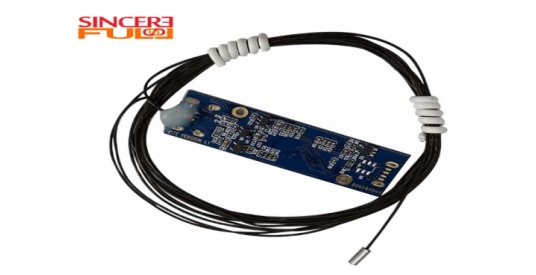
2026-02-27 Cleaning a medical endoscope camera module is not just about keeping the lens shiny—it’s about protecting image quality, protecting equipment lifespan, and supporting safe clinical workflows. In real use, camera modules face a mix of challenges: fogging, smears from handling, residue from disinfectant wipes, microscopic debris near connectors, and gradual performance loss from repeated cleaning with the wrong materials. Many teams also work under time pressure: the scope is needed again quickly, and “quick wipe” habits can quietly create long-term problems such as micro-scratches, seal damage, or corrosion at the connection points.
Read More 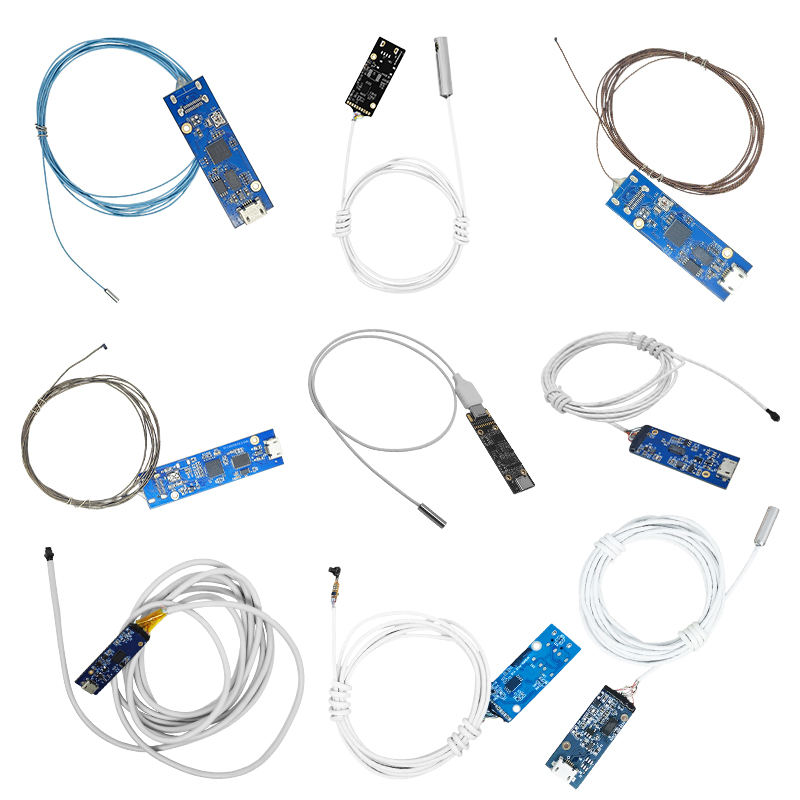
2026-04-09 IntroductionWhen you look through an endoscope camera, the first thing you notice is how much you can see. Some show a wide area; others zoom in on a small spot. That “how much” is called the field of view (FOV). For endoscope cameras used in medical diagnosis, industrial inspection, or plumbing, ch
Read More 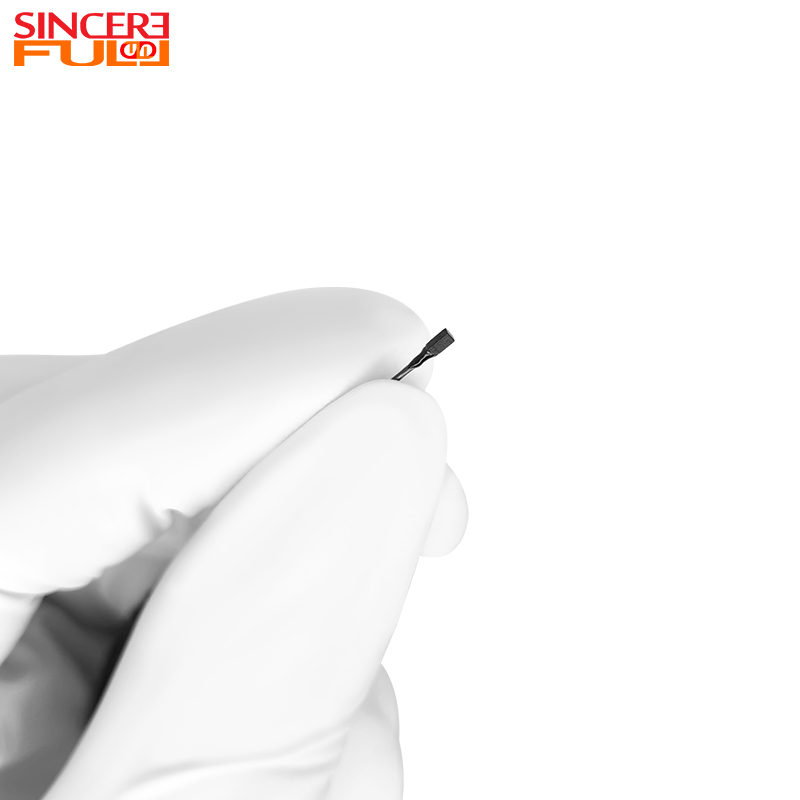
2026-04-08 IntroductionEver used an endoscope where bright areas turned completely white and dark areas were pitch black? That’s a dynamic range problem. Dynamic range is the camera’s ability to capture detail in both the brightest and darkest parts of a scene at the same time. It’s a key image quality spec, y
Read More 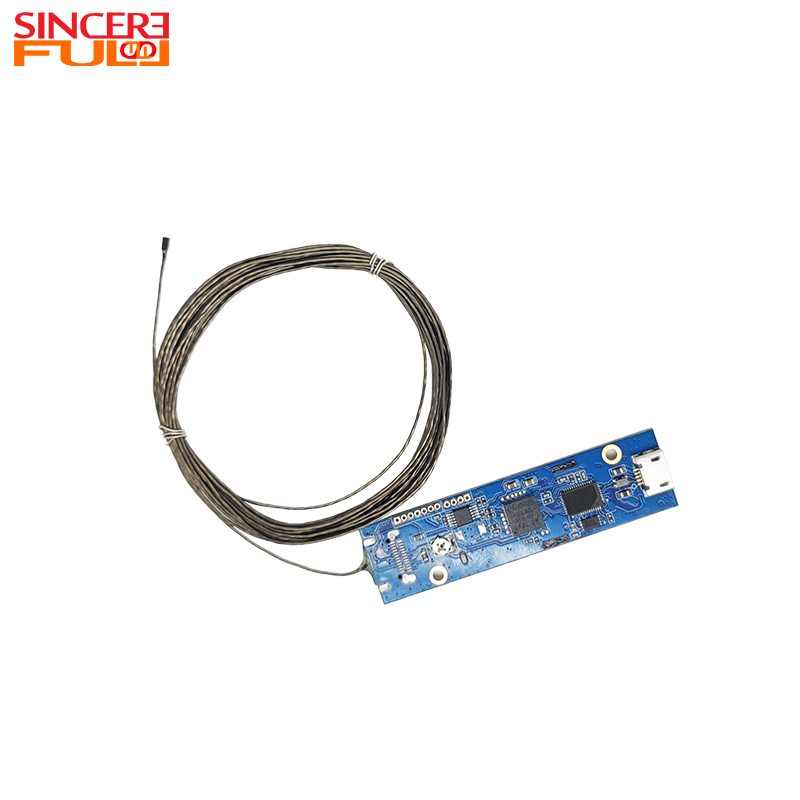
2026-04-08 IntroductionWhen you look through an endoscope—for a medical procedure, industrial inspection, or plumbing check—the smoothness of the video matters. A choppy, laggy image makes it hard to see what you’re doing. That’s where frames per second (FPS) comes in. FPS measures how many images the camera c
Read More 


