Views: 0 Author: Site Editor Publish Time: 2026-03-04 Origin: Site


In endoscopy, the camera does more than “capture an image.” It influences diagnosis confidence, procedure efficiency, documentation quality, and even the learning curve for clinical teams. When clinicians talk about better visualization, they’re usually describing a combination of factors—sharpness at the edge of the field, accurate color reproduction, stable exposure in reflective environments, and reliable performance under the demanding realities of a procedure room. That’s why selecting a medical endoscope camera solution is not just a resolution decision. It’s a system decision: optics, sensor, image processing, output format, integration, and long-term stability all matter.
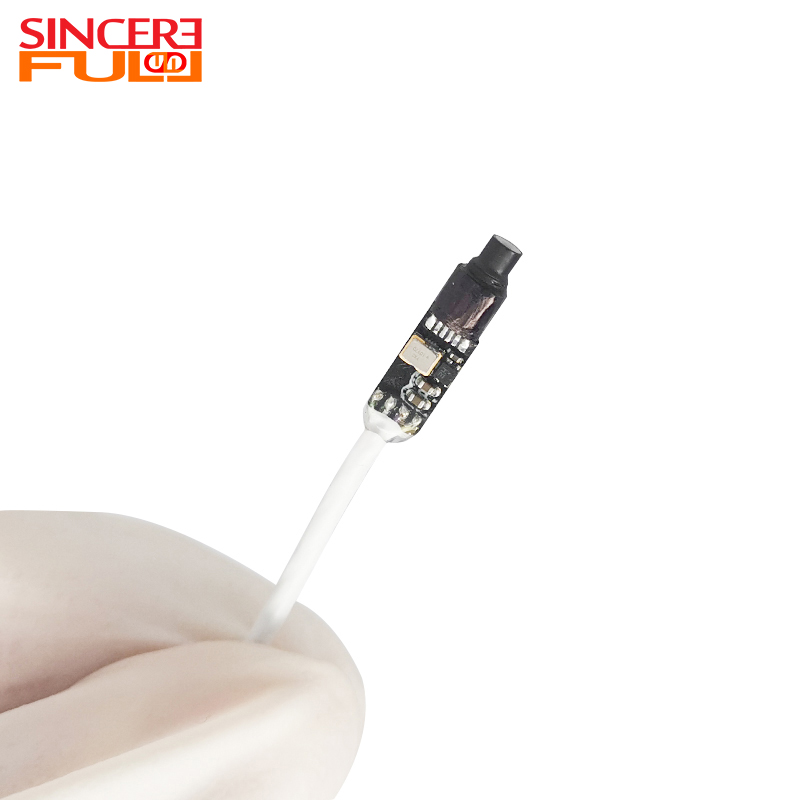
A high-definition medical camera module is the imaging “core” inside a medical endoscope camera system. It typically includes:
an image sensor (often CMOS)
lens interface or optical coupling design
image signal processor (ISP) or processing pipeline
output interface (USB, HDMI, SDI, MIPI, LVDS, etc., depending on system)
control functions (exposure, white balance, gain, image enhancement)
In endoscopy, the module is designed for close-range imaging, complex lighting environments, and strict stability requirements—so it’s not the same as a consumer camera module.
“HD” is often used loosely in marketing. In practical terms, the module should deliver:
consistent fine detail across the full frame
stable edge clarity (not only center sharpness)
low noise that preserves texture
A high pixel count doesn’t help if image processing smears detail or noise reduction is too aggressive.
Endoscopic environments can be challenging: the light source is strong but concentrated, reflections are common, and some anatomical spaces still appear dim. A High-definition endoscope camera module needs strong sensitivity and low-noise performance to keep images usable without excessive gain (which increases grain).
In endoscopy, specular highlights (bright reflections) can blow out details, while adjacent areas may remain dark. A robust WDR capability helps preserve both:
bright reflective surfaces
shaded tissue details
This improves visual continuity and reduces “white-out” moments during movement.
Color cues are clinically meaningful. A strong module should maintain:
stable white balance under changing scenes
natural color tones without over-saturation
consistent color across different procedures and lighting conditions
Good color processing reduces the need for manual adjustment mid-procedure.
Enhancement can help, but it should not create artificial edges or distort tissue appearance. Useful enhancements include:
mild sharpening tuned for medical textures
contrast optimization without crushing blacks
controlled saturation (avoiding “cartoon” colors)
A medical endoscope camera is used in real time. The module should support low latency output so hand movement and image response feel immediate. Reduced latency supports:
smoother navigation
better hand-eye coordination
fewer operator errors during fine movement
Procedure rooms may have mixed lighting, and flicker can appear depending on frequency and shutter behavior. Stable frame rates and anti-flicker control improve viewing comfort and recording quality.
A practical module should fit the customer’s system architecture. Common considerations include:
supported resolution and frame rate over the chosen interface
output stability over cable lengths (important in OR setups)
compatibility with monitors, recorders, and capture systems
Feature Need | Why It Matters | Typical Consideration |
Stable real-time display | supports safe navigation | low latency output |
Reliable recording | clear documentation | consistent frame rate |
Integration flexibility | shorter development time | standard interfaces |
Long-term serviceability | easier maintenance | stable supply chain |
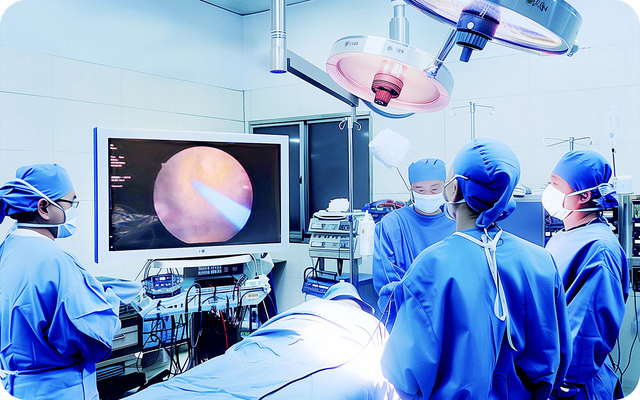
Medical endoscope camera modules must handle more than image quality—they must handle real operating conditions.
Endoscopy systems may run for long sessions. Heat affects noise, color stability, and component life. A good module design considers:
heat dissipation path
thermal stability of sensor and processing
consistent performance from cold start to long run
Space inside endoscope camera systems can be limited. Engineering teams often need:
standardized mounting points
predictable cable routing
robust connectors and strain relief
In clinical environments, electronic devices operate close together. A stable module design helps reduce interference risk and supports compliance planning at the system level.
While many high-definition medical camera modules are installed inside a control unit (and are not directly sterilized like patient-contact parts), the overall medical endoscope camera system still needs to support hygienic handling every day. In real hospital workflows, the camera head, cable interfaces, and any exposed housings are repeatedly touched, wiped, connected, disconnected, and moved between rooms. If the design doesn’t anticipate that reality, hygiene routines become slower, connectors wear out sooner, and image stability may be affected by moisture ingress or contamination over time.
That’s why module and system designers typically consider:
Sealed or protected structures where needed: Even if the module itself is internal, the system housing, camera head assembly, and cable entry points benefit from protective design to reduce exposure to splashes, disinfectant residue, and humidity.
Reliable connectors for repeated use: Endoscopy setups often involve frequent re-plugging between camera heads, processors, monitors, and recorders. Connectors need stable mechanical retention, predictable contact performance, and durability under repeated cycles. A connector that becomes loose can cause intermittent image loss—one of the most frustrating problems during procedures.
Surfaces and assemblies that support cleaning protocols: Smooth, wipe-friendly surfaces and well-designed seams make cleaning faster and reduce residue buildup. If cleaning leaves chemical film around joints, it can gradually affect materials and seals.
In short, module selection should align with the intended endoscope camera design and cleaning workflow—because in medical environments, “easy to clean” is part of performance.
Some features don’t show up on a demo video, but they matter a lot after installation—especially when a project moves from prototype to mass production.
Overlooked Feature | Why It Matters in Practice |
Long-term color consistency | reduces re-calibration and complaints |
Firmware/ISP tunability | adapts to different optics and light sources |
Stable supply and documentation | supports medical device manufacturing needs |
After-sales technical support | speeds debugging and integration |
For example, long-term color consistency can prevent repeated complaints like “this unit looks slightly different from the last one,” which is a real issue in clinical training and documentation. Firmware/ISP tunability becomes critical when customers change optics, lighting, or working distance—without tunability, image quality may drop even if the sensor is excellent. And for many OEM buyers, stable supply and documentation are not “nice to have”—they reduce production risk and shorten certification timelines. In our experience, these quiet features often decide whether a project stays on schedule.
If you’re choosing a module for a medical endoscope camera, we suggest evaluating it using real scenes and realistic constraints:
test reflective surfaces (avoid white-out)
test low-light areas (check noise and detail)
test color under different light source settings
test motion (latency and stability)
test recording output (frame drops, compression artifacts if applicable)
A module that looks good on a single demo chart may behave differently in real procedures—so use application-based testing whenever possible.
The best high-definition medical camera module isn’t defined by resolution alone. For a medical endoscope camera system, the most valuable features are the ones that improve clinical visibility and workflow: stable HD detail across the frame, low-noise clarity, wide dynamic range for harsh reflections, accurate color reproduction, low latency, and reliable integration options. Just as important are long-run stability, thermal management, and support documentation that helps teams move from prototype to production smoothly.
At Guangzhou Sincere Information Technology Co., Ltd., we focus on practical camera module solutions for medical imaging applications, balancing image performance with integration readiness. If you’re developing or upgrading a medical endoscope camera system and want to discuss module selection, interface options, and performance targets, you’re welcome to learn more and contact Guangzhou Sincere Information Technology Co., Ltd. for further information and technical support.
Key features typically include stable HD detail, low-light sensitivity, wide dynamic range, accurate color reproduction, low latency, and reliable output interfaces for medical endoscope camera systems.
WDR helps preserve details in both bright reflections and darker areas, reducing white-out and improving visibility in challenging endoscopic scenes.
Choose based on your system architecture, required resolution/frame rate, display and recording needs, cable length requirements, and integration timeline.
Test real-use conditions: reflective surfaces, low-light scenes, color stability, motion latency, and recording stability to ensure consistent performance during procedures.


