Views: 0 Author: Site Editor Publish Time: 2025-11-22 Origin: Site


In the world of industrial, medical, and inspection technologies, endoscope camera modules play a pivotal role. Whether you’re in the healthcare industry performing minimally invasive surgeries, in industrial settings conducting pipeline inspections, or in any other field requiring detailed internal views, selecting the right endoscope camera module is crucial for ensuring high-quality results. With numerous options available in the market, understanding the key features such as resolution, diameter, and flexibility is essential when making a purchase decision.
In this complete B2B guide, we will delve deep into these important features of endoscope camera modules, explaining their significance, how to choose the right specifications for your specific application, and the impact these choices have on your business operations. This guide will help you make an informed decision about the right endoscope camera module for your needs, whether for medical use, industrial inspections, or other specialized applications.
An endoscope camera module is a small, high-resolution camera attached to a flexible or rigid tube, commonly referred to as the "endoscope". The purpose of an endoscope camera module is to provide a visual inspection of internal spaces that are otherwise difficult or impossible to reach. The camera is equipped with a lens, lighting source, and sometimes additional sensors to enhance image quality. These modules are designed to be used in various applications, such as:
Medical applications: For minimally invasive procedures like laparoscopy, colonoscopy, or arthroscopy.
Industrial inspections: To inspect pipes, machinery, or other hard-to-reach places.
Automotive diagnostics: For inspecting engines, car parts, or other mechanical systems.
Consumer electronics: For visual inspection in small, intricate spaces, such as circuit boards.
When selecting the right endoscope camera module for your business, there are several key factors that you must consider to ensure it meets your requirements. These include:
Resolution
Diameter
Flexibility
Lighting
Material and Durability
Connectivity and Compatibility
Cost-effectiveness
For the purpose of this guide, we'll focus on three of the most critical features that significantly impact the performance of an endoscope camera module: resolution, diameter, and flexibility.
Resolution refers to the camera's ability to capture detailed images. It is one of the most critical factors in choosing an endoscope camera module, as higher resolution leads to clearer, sharper images that allow you to spot even the most minute details during inspections.
Low Resolution: Endoscope modules with low resolution may be sufficient for general inspection purposes where high detail isn’t necessary. However, lower resolution may lead to fuzzy or unclear images, making it difficult to identify problems or assess the condition of an object.
High Resolution: High-resolution endoscope camera modules provide more pixels, which means sharper, more detailed images. For medical procedures, such as surgeries or diagnostics, or for critical industrial inspections, high resolution is often essential for accurate analysis. Resolutions can range from 480p (SD), 720p (HD), to 1080p (Full HD) and even 4K, with higher resolutions providing increasingly detailed views.
The resolution you choose should depend on the level of detail you require. For medical applications, high-definition resolutions are typically required to provide clear and accurate views during delicate procedures. In contrast, for industrial inspections or general-purpose inspections, a moderate resolution may suffice.
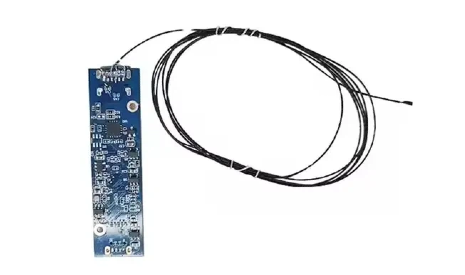
The diameter of an endoscope camera module is an essential consideration, particularly for applications requiring access to narrow or hard-to-reach spaces. A smaller diameter allows the endoscope to be inserted into tight or confined spaces, whereas larger diameters may be necessary for applications that demand larger visual fields.
Smaller Diameter: For medical endoscopy or industrial inspections of small components, a small diameter camera is crucial. For example, medical endoscopes used for procedures like colonoscopies or bronchoscopies typically require very thin camera modules (often around 2-5 mm). This allows doctors to navigate delicate or narrow body cavities without causing discomfort or injury.
Larger Diameter: In industrial inspections, such as checking pipes or machinery, a larger diameter may be acceptable or even necessary for improving light transmission or capturing a larger area in a single frame. A slightly larger camera might also be needed when using endoscopes for visual inspections inside engines, compressors, or larger machinery.
It’s important to strike a balance between diameter and other factors, such as resolution and flexibility, to ensure that you get the best performance from your endoscope camera module while still achieving the necessary size for your application.
Flexibility refers to the ability of the endoscope camera module to bend and maneuver around obstacles. The more flexible the camera, the better it can navigate through intricate or curved spaces. This is especially important for medical procedures or industrial inspections where you need to navigate the camera through tight or complex pathways.
Flexible Endoscopes: Flexible endoscopes are highly versatile and can be manipulated to navigate around corners, bends, and curves. These types of endoscopes are often used in medical applications, such as laparoscopy or arthroscopy, where the camera must navigate through the human body to access difficult-to-reach areas. Flexible endoscopes are also used in industrial inspections of pipes or equipment where the inspection area is not straight or accessible from a single angle.
Rigid Endoscopes: Rigid endoscopes are less flexible but can still offer great visibility when the area being inspected is more accessible. They are often used in applications where the camera needs to be positioned at specific angles and can remain in a fixed position. For example, rigid endoscopes are commonly used for visual inspections of engines or machine parts that can be easily accessed.
Choosing between flexible and rigid endoscopes depends on the specific needs of your application. If you're working in environments with tight spaces or need to inspect areas that are difficult to reach, flexible endoscopes are essential. However, if you need high image stability and don't need to maneuver around obstacles, a rigid endoscope might be the better option.
Beyond resolution, diameter, and flexibility, there are other factors that may influence your decision when choosing an endoscope camera module:
Good lighting is essential for capturing clear images inside dark or confined spaces. Many endoscope camera modules come equipped with built-in LED lights that can be adjusted for brightness. Some models even feature variable lighting to adapt to different inspection conditions.
For both medical and industrial applications, the durability of the endoscope camera module is crucial. Materials that are resistant to corrosion, wear, and harsh chemicals are important for longevity. Medical-grade materials often ensure that the endoscope can withstand sterilization procedures, while industrial endoscopes need to be robust enough to handle exposure to oils, chemicals, and rough handling.
Consider whether you need the endoscope camera to be compatible with certain devices or systems. Many modern endoscope modules offer wireless connectivity or are designed to connect to smartphones, tablets, or laptops for live viewing and image capture. USB and HDMI connectivity options are also commonly available for seamless integration with existing equipment.
Endoscope camera modules come at a wide range of price points, and while more expensive models may offer higher resolution, greater flexibility, and more durable materials, they might not always be necessary for your application. It’s important to assess the needs of your business and choose an endoscope module that provides the necessary features while fitting within your budget.
Selecting the right endoscope camera module is a critical decision that impacts the quality and efficiency of your inspection processes. Whether you're using the camera for medical, industrial, or general-purpose applications, understanding key factors such as resolution, diameter, and flexibility is essential to making an informed choice.
Resolution: Ensure that the camera provides the clarity and detail required for your inspections, especially in critical environments like medical procedures or detailed industrial machinery.
Diameter: Choose the right diameter based on the space you're working in. Smaller diameters are ideal for tight, confined spaces, while larger diameters may offer more robust features for larger inspection areas.
Flexibility: Depending on the complexity of the area you’re inspecting, select a flexible or rigid endoscope that will allow you to easily maneuver around obstacles.
By carefully considering these factors and aligning them with the specific needs of your business, you can choose an endoscope camera module that enhances your inspection capabilities and improves operational efficiency.
For industries requiring high-quality endoscopic technology, understanding these core features will ensure that your investment pays off in terms of reliability, performance, and cost-effectiveness.


